New lease, old odor
A business moving into a suite finds the previous tenant's cooking odor in ceiling tiles and carpet.
Offices · Gyms · Retail · Care facilities
Odor in a workplace drives complaints, turnover, and lost customers. Lasting results start with finding the source, then treating it on a schedule that works around the business.
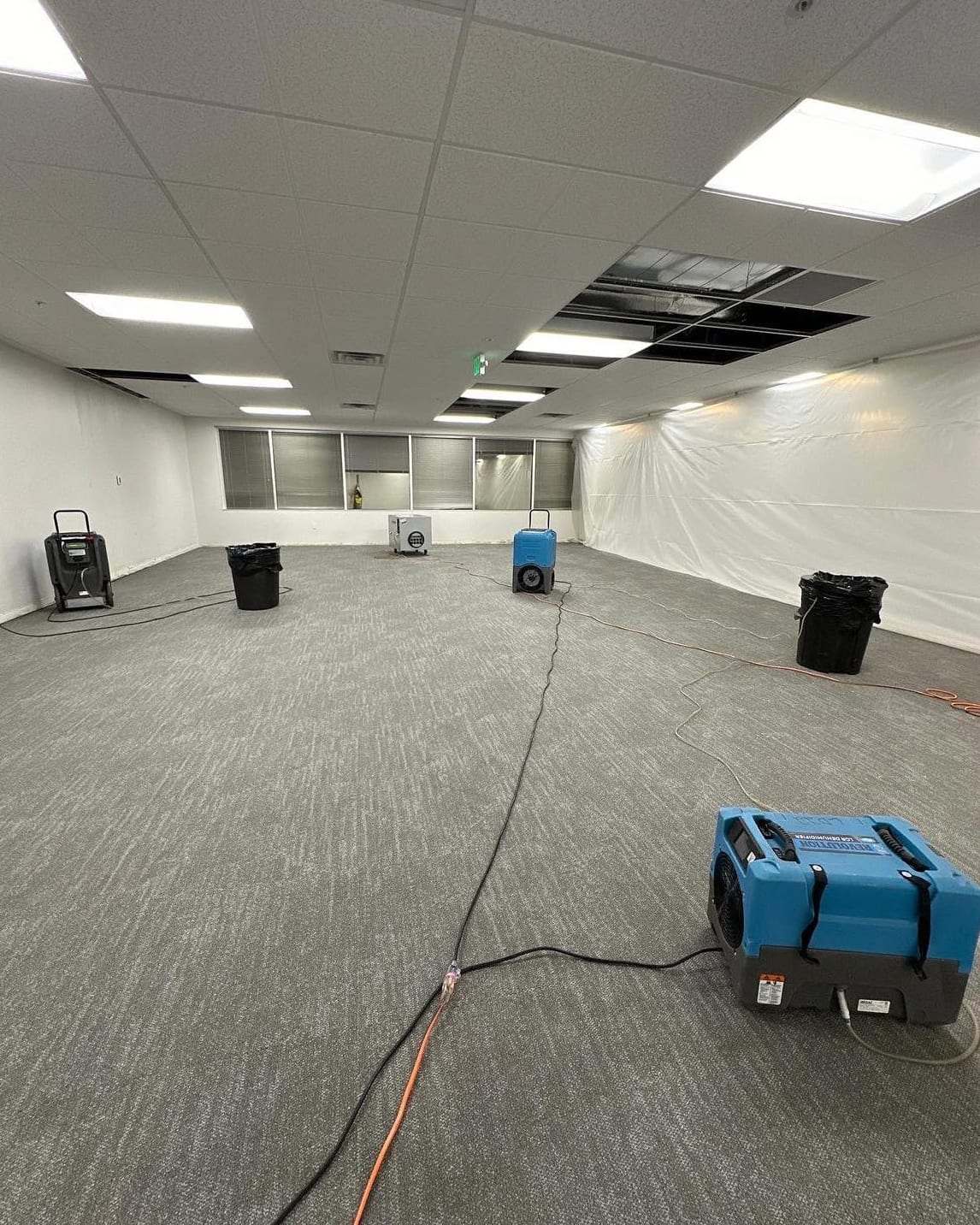
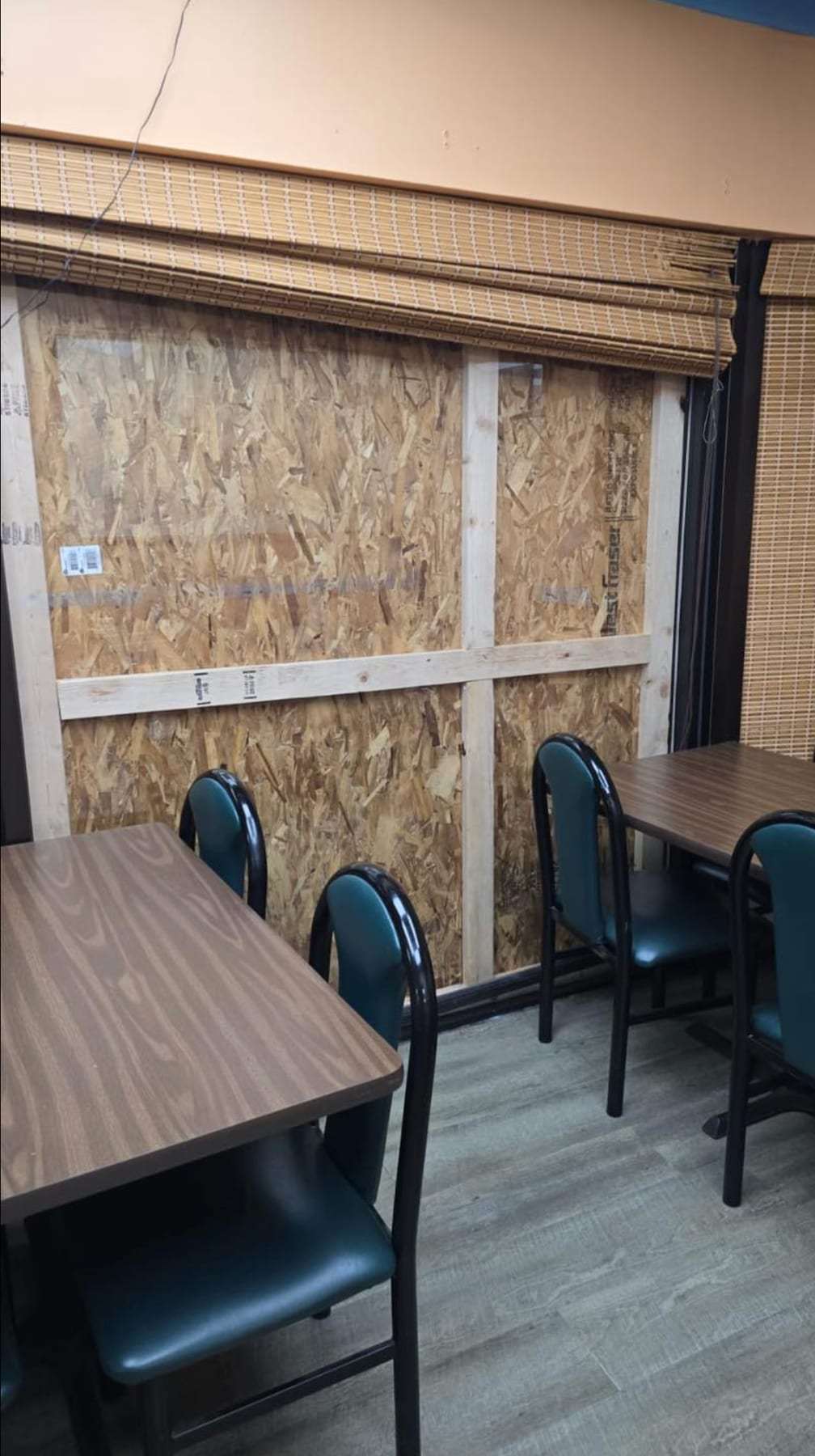
In commercial buildings, odor sources are often hidden: a dried floor-drain trap, a past leak above a ceiling, residue from a previous tenant's use, a rodent in a wall cavity, or odor drawn in through shared air handling. Treating the space without finding the source rarely works for long.
Good commercial odor work starts as an investigation: talk with staff about when and where the odor occurs, inspect likely sources and air pathways, and then scope treatment, which may include source removal, cleaning and sealing, HVAC attention, and controlled treatment when the space can be vacated.
A Westminster guide to workplace odor: find the source before paying for treatment.
Guides and worked examples for offices, gyms, clinics and shared buildings.
Every space gets a source investigation before any treatment is proposed.
Talk with staff and management and inspect likely sources and air pathways.
Pinpoint the source, or refer issues like plumbing or roof leaks to the right trade.
Provide a written plan with timing that works around business hours.
Remove or treat sources, clean and seal, address HVAC components, and use controlled treatment when the space can be vacated.
Confirm results with staff and recommend prevention steps.
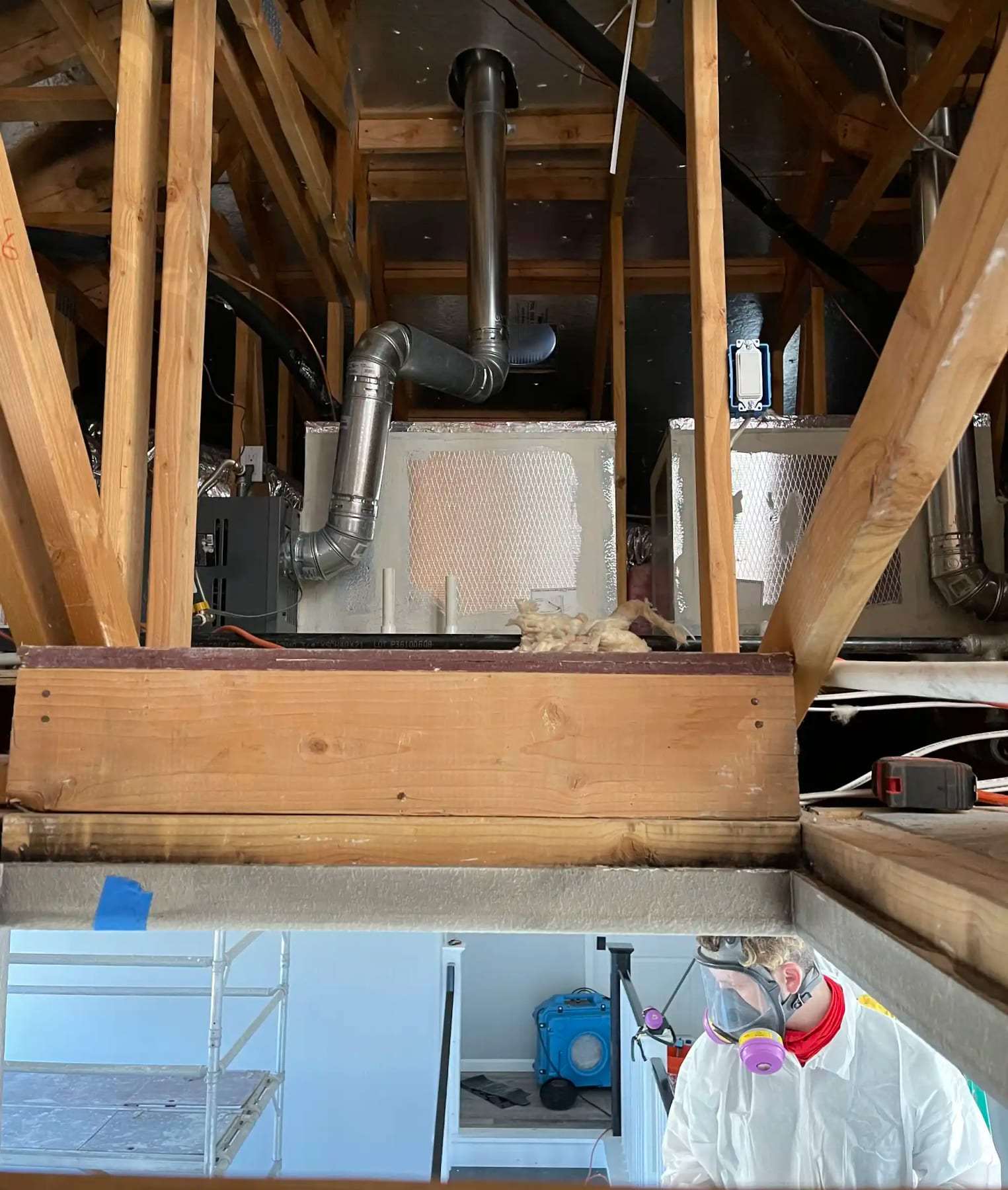
Gyms, clinics, offices, retail and care facilities can't close for an odor job. Ask for work to be planned for when the space is empty or quietest: evenings, weekends, or one area at a time.
Westminster sits along the US 36 corridor between Denver and Boulder and includes office parks, retail centers, medical offices, and mixed-use development around areas like the Westminster Promenade and the redeveloping downtown near Federal Boulevard. Many buildings have multiple tenants sharing air handling and plumbing.
Business owners, property managers, and facility teams can usually ask for treatment to be scheduled around operating hours.
ZIP codes served: 80030 (Westminster), 80031 (Westminster), 80005 (Arvada), 80234 (Denver), 80021 (Broomfield).
Also nearby: 80003, 80221, 80260, 80229, 80212, 80004, 80002, 80211, 80216, 80033, 80202, 80233, 80205, 80214, 80020, 80204, 80215, 80241.
A good investigation often answers this too. These are common patterns, but your lease decides.
A business moving into a suite finds the previous tenant's cooking odor in ceiling tiles and carpet.
A gym owner wants persistent odor in rubber flooring and the locker area addressed.
An office reports a sewer odor near the restrooms on Monday mornings, traced to drains that dry out over the weekend.
Note when the odor is strongest: time of day, weather, or HVAC operation.
Run water into floor drains and rarely used fixtures to refill traps.
Check with building management about recent leaks or work above ceilings.
Identify hours when the space could be vacated for treatment.
Often, yes. Ask for a schedule planned around your hours; treatments requiring vacancy are typically done when the space is closed.
If odor enters through shared air handling or wall penetrations, the building owner or manager may need to address the source. A careful investigation should help identify the pathway.
An odor investigation can point to likely causes, but plumbing defects should be repaired by a licensed plumber. Residual odor can then be treated.
Rubber and synthetic flooring can hold odor from sweat and cleaning residues. Treatment options depend on the material and should be discussed after an assessment.
The aim should be a neutral-smelling workspace. Ask whether synthetic fragrances or ozone generators will be used, and ask for ventilation and re-entry timing before any treatment that requires the space to be vacant.
Commercial work is usually quoted based on the space, the source, and the treatment required.
Evening and weekend scheduling can usually be arranged so employees and customers aren't present. Some treatments require the space to be vacant for a period, so ask for the preparation, ventilation and re-entry time before anything is scheduled.
This form is not connected. This website is a draft preview: no business has been confirmed to receive requests, so the fields below are switched off and nothing can be sent. In an emergency, call 911.